
Best Hockey Player Diet: Essential Nutrition Strategies for Peak Performance
Introduction
Hockey is explosive, high-intensity, and stops-and-starts — a sport that demands speed, power, and sharp recovery. The right diet doesn’t just help you stay lean; it fuels sprints on the ice, speeds recovery between shifts, and keeps your mind sharp for split-second decisions. This guide lays out practical, coach-friendly nutrition strategies hockey players can use right away.

1) The big-picture needs: calories & energy systems
Hockey players typically need enough energy to:
Support repeated high-intensity bursts (anaerobic power),
Replenish glycogen between sessions (carbohydrate),
Repair and build muscle (protein),
Support hormones and long-duration energy (fats).
Here are two practical calorie/macronutrient examples you can use as templates (rounded for simplicity):
Moderate training day (≈ 2,500 kcal) — balanced maintenance
Carbs: 50% → 1,250 kcal → ≈ 313 g (1,250 ÷ 4 = 312.5 → 313 g)
Protein: 25% → 625 kcal → ≈ 156 g (625 ÷ 4 = 156.25 → 156 g)
Fat: 25% → 625 kcal → ≈ 69 g (625 ÷ 9 = 69.44 → 69 g)
High-intensity / heavy load / larger players (≈ 3,200 kcal) — fuel + build
Carbs: 55% → 1,760 kcal → ≈ 440 g (1760 ÷ 4 = 440 g)
Protein: 25% → 800 kcal → = 200 g (800 ÷ 4 = 200 g)
Fat: 20% → 640 kcal → ≈ 71 g (640 ÷ 9 = 71.11 → 71 g)
Use the lower example for lighter players or recovery days; use the higher one for game days, tournament blocks, or heavier athletes.
2) Macronutrient focus: what to prioritize and why
Carbohydrates — the priority fuel
Carbs = glycogen. Because hockey is high-intensity, muscle glycogen depletion is rapid. Prioritize starchy carbs and whole grains around practices and games:
Oats, rice, potatoes, pasta, quinoa, fruit.
Aim for the bulk of carbs before and immediately after sessions.
Protein — repair and readiness
Protein supports muscle repair and immune function. Aim for ~1.6–2.2 g/kg bodyweight across the day (the sample plans above target this via percent of calories).
High-quality sources: lean beef, chicken, turkey, fish, eggs, dairy, Greek yogurt, whey or plant protein powders.
Fats — hormones & oxidative fuel
Don’t cut fats too low. Include sources of omega-3s and monounsaturated fats:
Olive oil, avocado, nuts, seeds, fatty fish.
Keep saturated fats moderate.
3) Timing: pre-game, during, and post-game fueling
Pre-game (2–3 hours before puck drop)
Goal: top up glycogen, avoid GI issues.
Example: 60–90 g carbs + 20–30 g protein.
— e.g., turkey sandwich on whole-grain bread + banana, or rice bowl with chicken and veggies.
30–60 minutes before (if needed)
Small, easy-to-digest carb snack: half a bagel, a sports drink, or a banana. Avoid heavy fats/fiber right before play.
During (long practices/tournaments)
For long sessions or multiple games: sip carbs + electrolytes. Aim for 30–60 g carbs/hour if activity is prolonged. Sports drinks, gels, or diluted juice work.
Post-game (0–60 minutes after)
Priority: glycogen resynthesis + muscle repair.
Target: ~1.0–1.2 g/kg carbs in the first 1–2 hours + 0.3–0.4 g/kg protein.
— Example: recovery smoothie with banana, oats, whey, milk; or rice + salmon + veggies.
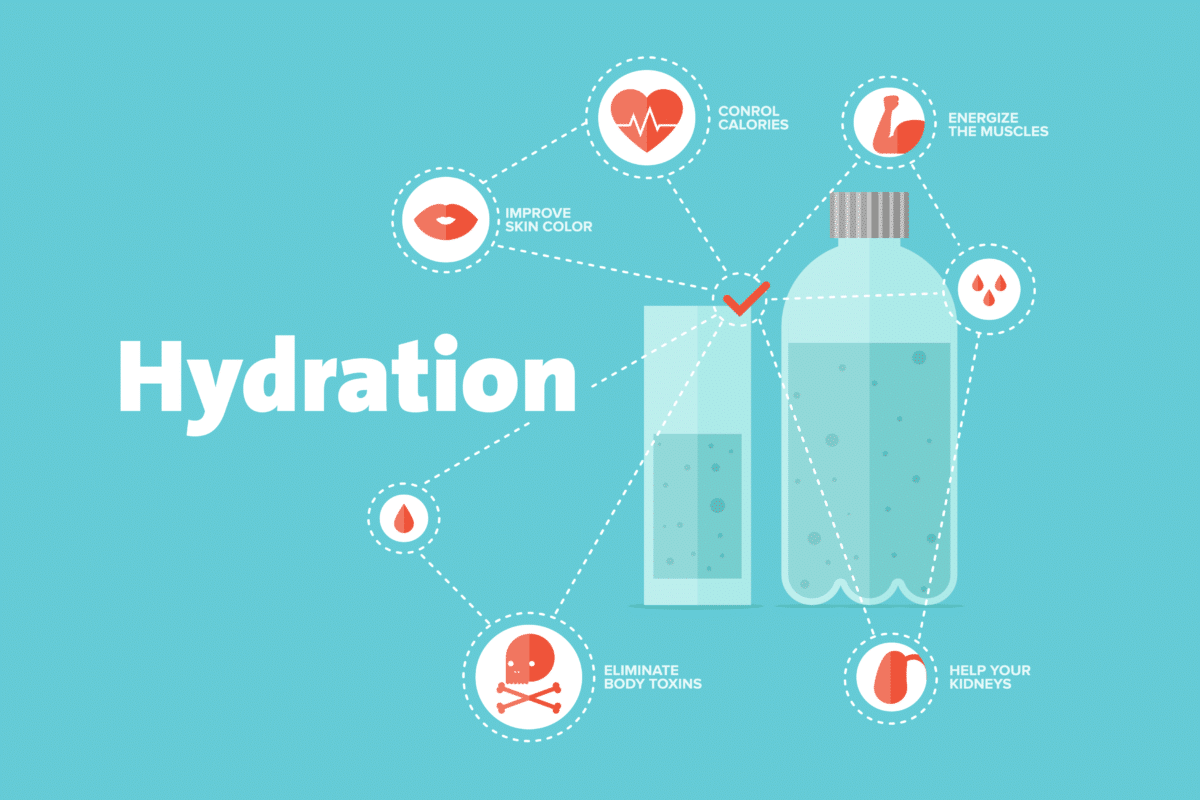
4) Hydration & electrolytes
Dehydration harms power and cognitive function. Hockey players sweat under pads and in arenas — track weight changes pre/post practice to estimate fluid loss.
Drink water throughout the day.
Before games: 400–600 ml in the 2 hours prior.
During: sip fluids regularly; include sodium in prolonged sessions (sports drink or salted snacks).
After: replace ~150% of fluid lost in the first 6 hours, plus electrolytes if heavy sweating.
5) Smart supplements (evidence-first, limited claims)
Supplements are helpers, not solutions. Consider:
Creatine monohydrate — supports short bursts of power and recovery (3–5 g/day).
Caffeine — effective ergogenic; 3–6 mg/kg about 30–60 minutes pre-game (test in practice).
Protein powder — convenient to hit protein targets.
Omega-3 (EPA/DHA) — supports recovery and inflammation management.
Vitamin D — check blood levels and supplement if deficient.
Always test during training (never first time on game day). Check anti-doping rules for competitive players and consult a clinician.
6) Sample meal plans
Sample Day — 2,500 kcal (maintenance / regular training)
Breakfast: Oat bowl with 1 cup oats, 1 scoop whey, 1 banana, 1 tbsp almond butter.
Snack: Greek yogurt + mixed berries + small handful of nuts.
Lunch: Grilled chicken rice bowl (150–200 g chicken, 1.5 cups cooked rice, salad).
Pre-practice snack: Whole-grain bagel half + honey or banana.
Post-practice: Recovery smoothie (banana, oats, whey, milk) + apple.
Dinner: Baked salmon (150 g) + sweet potato + steamed broccoli.
Evening: Cottage cheese or casein yogurt if hungry.
High-energy Game-Day — 3,200 kcal (heavy load)
Breakfast: 3 egg omelette + 2 slices wholegrain toast + fruit.
Pre-lunch: Smoothie (oats, berries, whey, peanut butter).
Lunch (3 hours before): Pasta with lean beef ragu + side salad.
Pre-game (60 min): Small bagel with jam + sports drink.
During games: Sips of sports drink / electrolyte tabs.
Post-game: Large rice bowl (white rice, chicken, veggies) + chocolate milk.
Dinner: Steak, quinoa, roasted veg + avocado.
Evening snack: Yogurt + granola.

7) Recovery & anti-inflammatory foods
Include:
Fatty fish (salmon, mackerel), tart cherry or tart cherry juice (may help sleep/recovery), leafy greens, berries, nuts, turmeric (with black pepper), and quality protein sources.
Sleep and periodized rest are as important as food for recovery.
8) Practical meal prep tips
Batch-cook grains and proteins on Sundays.
Use microwave-safe bowls for quick reheats.
Portion snacks (nuts, fruits, jerky) into grab-and-go packs.
Keep a small cooler with packed meals on away days.
9) Common mistakes to avoid
Skipping carbs before games (causes early fatigue).
Relying solely on supplements.
Underestimating hydration needs under pads.
Not testing foods before game day (GI risk).
10) Quick FAQs
Q: How much protein do I need per meal?
Aim for ~25–40 g per main meal; distribute evenly across the day.
Q: Should I cut carbs to lose weight?
Not necessarily. For players, reduce calories modestly while keeping protein high and preserving training intensity.
Q: Is sugar bad for players?
Simple carbs have a place for immediate fueling and recovery. Focus on nutrient-dense carbs most of the time.